
- July 08 2025
- One contributor
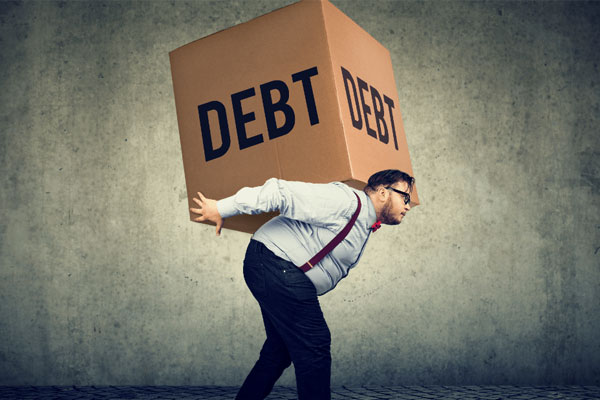
Debt is a part of life for most people. Mortgages, car loans, personal loans, even store credit at the local dairy. But how much debt is too much?
When you’re doing your home budget, applying for a mortgage or making financial decisions, debt is a big part of the conversation. Loans on businesses, buildings, vehicles, a personal loan or credit cards are all a normal part of modern life.
But how do you know when you’ve taken on too much debt? Are you over-leveraged on your property or assets? There’s no magic percentage or figure, everyone is different. But there are three factors you need to assess.
- Is the debt sucking up all your money?
There should be more to your life than just paying off debt. Do your wages go into your bank and then the next day all the money disappears again on loan repayments? Do you find yourself living a limited lifestyle because debt is eating up all your income? If you are unable to pay for the things in life you enjoy, you’re in too much debt.
- You are stressed about debt
If you lie awake at night, worrying about the size of your loans, then you have too much debt. When you’re fighting with your spouse about money all the time and you regularly feel stressed about meeting your debt obligations, you’ve exceeded your comfort levels.
- You have a high debt to income ratio
This is a measurable way to tell if you have too much debt. Your debt-to-income (DTI) ratio compares your gross income to your debt expenses.
To find out your debt to income ratio, add up all forms of income from all sources to find your total gross income. Then, add up your monthly debt payments. This includes:
- Mortgage or rental costs
- Property expenses such as rates, insurance and body corporate fees
- Credit card payments
- Car loans
- Investment loans
- Personal loans
- Hire purchases
Then, divide your debt total by your gross income figure. This gives you your ratio.
For example, assume your salary is $5,000 a month and your debts are $2,000. 2000 divided by 5000 is 0.4 (40%). While there’s no perfect ratio/ percentage that is a maximum, if a bank or lender is considering your finances, around 35% (a third of your income) is often what they consider to be the maximum preferred amount.
If your debt percentage is more than 35%, then you have less leeway in your budget, less ability to pay for incidentals as they arise, and a curtailed lifestyle.
Five giant red flags that you have too much debt
If you have one or more of the following warning signs, it’s time to take action, get rid of debt, and manage your finances better.
- Your debt balance isn’t going down, despite regular payments
- You’re living pay cheque to pay cheque
- You don’t contribute to Kiwisaver or a superannuation scheme because you need the money
- You feel you’re unable to save enough to create an emergency fund equivalent to at least one month’s income
- You use credit cards for cash advances.
How to lower your debt-to-income ratio
To reduce your DTI ratio, there are some basic steps you need to take.
- Get rid of your debt faster. Paying off more debt means less interest charges, making your debt payments much lower in the long term. Short term, it’s a bit of belt tightening and could mean a lot of camping in your back yard instead of trips to Fiji, but it’s worth it.
- Don’t create more debt. Freeze those credit cards and stop buying things you can’t afford right now.
- Postpone big purchases. If you need a new car or are wanting to buy a home, considering waiting. Save for a bigger deposit and a smaller loan.
- Consider consolidating your debt. This may not be the best answer for everyone, but if you can negotiate a low interest amount, this could mean lower repayments and less overall loan total.
Additionally, if you keep your debt to income ratio low, it shows a dedication to reducing financial risk and makes you much more attractive to lenders. It also should give you more surplus cash in your day to day life, easing tight budgets, and giving you more financial freedom in the future.
If you’re overwhelmed or unsure where to start to reduce your debt burden, speak to Sam Kodi. He can make your debt management easy, advising you on the best course of action, so you get out of debt and into financial freedom.

